

Find the Right Base Layer
A cold morning on the hills, a run before work and a week on the slopes all ask different things of a base layer. Compare merino and synthetic fabrics, choose how much warmth you need and find a first layer suited to your plans.
Find a Base Layer for Your Activity
Choose who you’re shopping for and what they’ll be doing. The finder will narrow the options to suit the activity, with merino and synthetic choices where relevant.
Choose who you’re shopping for first.
Choose an activity first.
No fabric choice is needed for this activity. Your recommended base layers are below.
How to Choose a Base Layer
The warmest base layer isn’t always the best choice. Start with your activity, how hard you’ll be working and how much time you’ll spend standing still. Then look at fabric and weight.
Think about the pace
You can work hard on a climb, then cool down when you stop. For sustained effort, prioritise moisture management. For slower days, think about more warmth.
Merino or synthetic?
Merino feels soft next to the skin and naturally resists odour. Synthetic options can dry especially quickly, with warmer styles for demanding cold-weather activity.
Choose the right warmth
Patagonia Capilene Lightweight suits active use in cool conditions; Midweight is versatile through winter; Thermal Weight provides breathable warmth for colder days. Icebreaker 200 Oasis is the lighter merino option, while 260 Oasis is warmer.
Shop Base Layers and Thermal Leggings
Already know what you’re looking for? Browse by fit, activity or fabric, including thermal leggings for skiing and colder days.
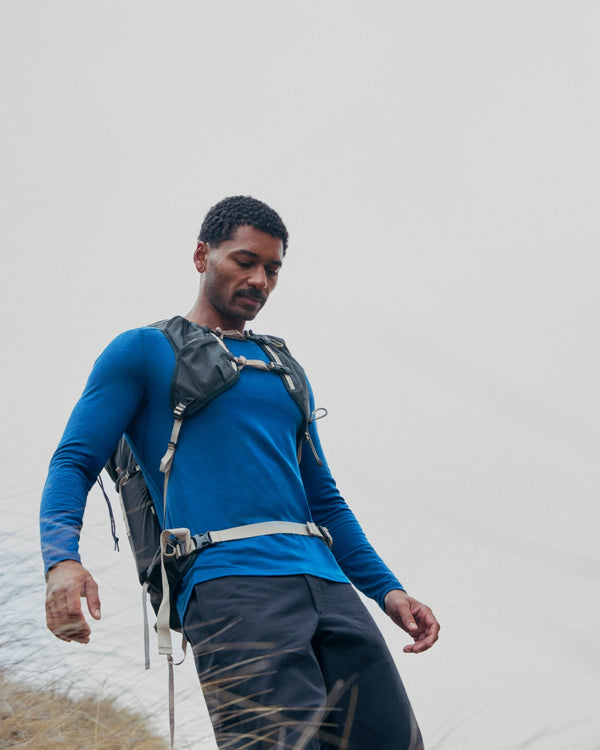
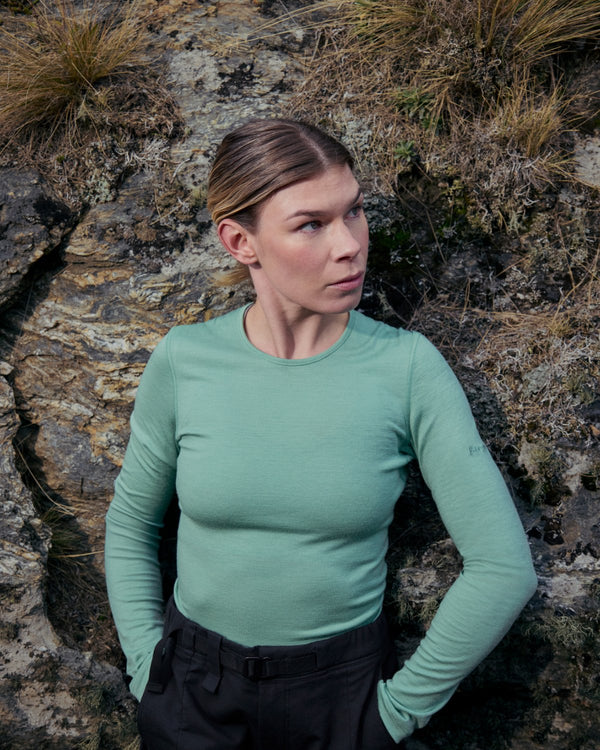
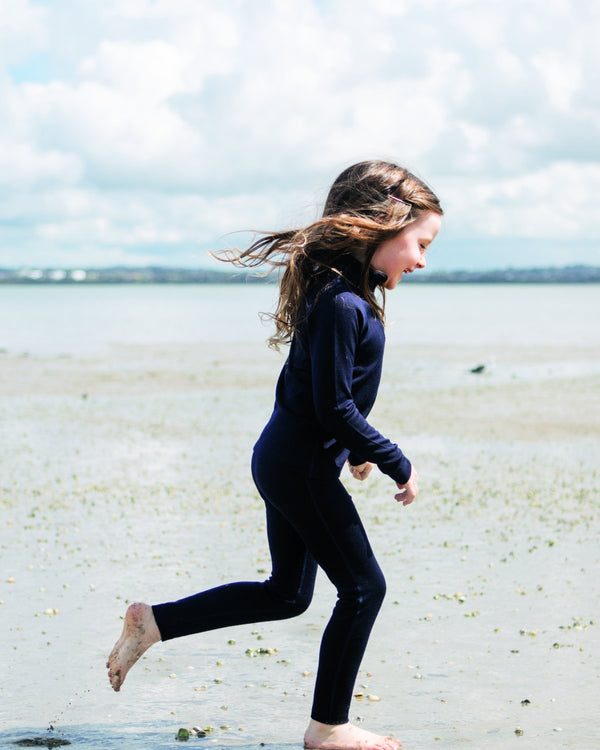
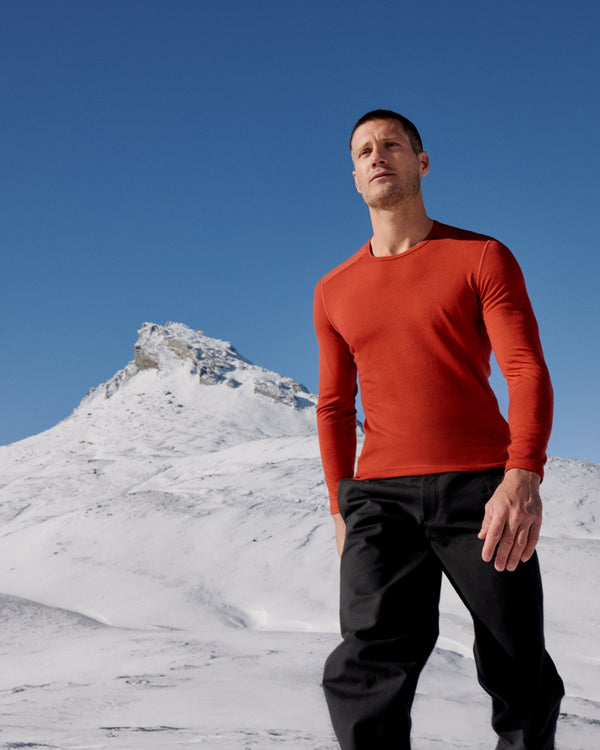
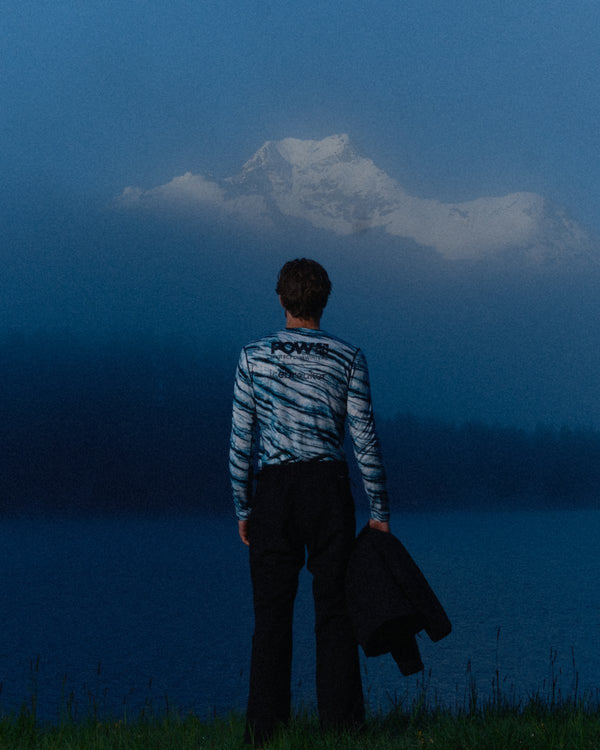
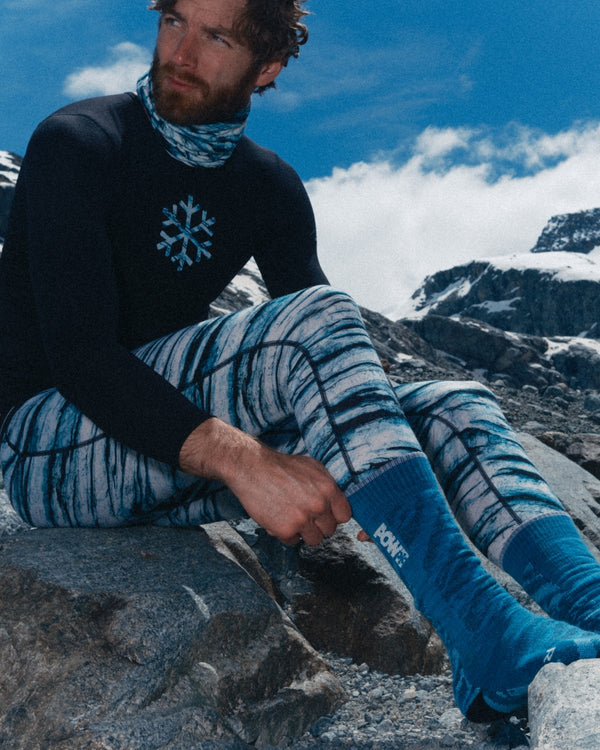
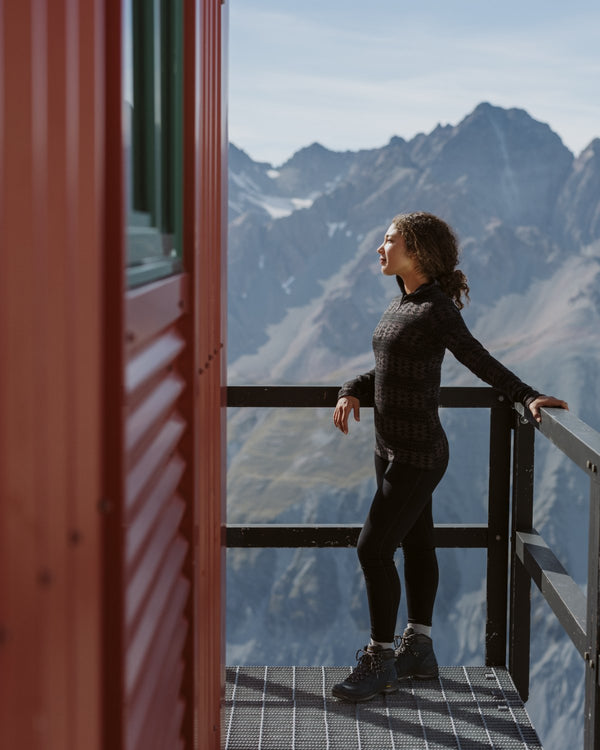
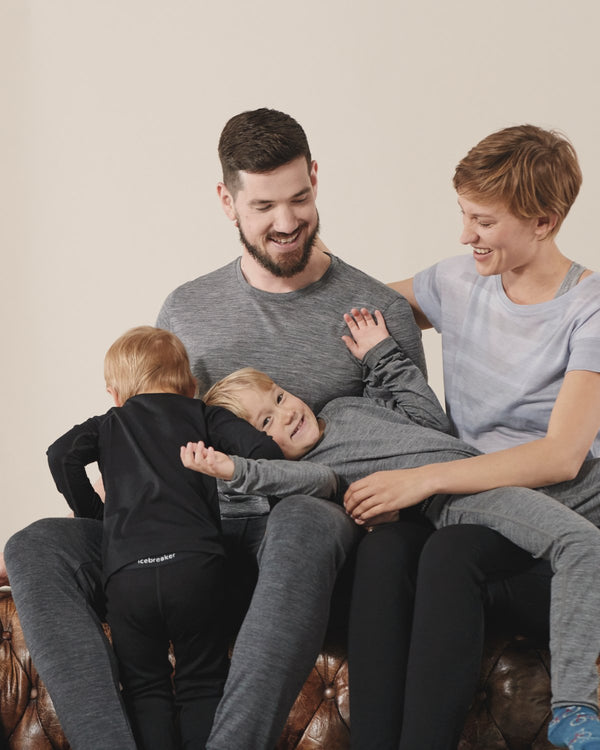
Patagonia, Icebreaker and Odlo Base Layers
These three ranges take different approaches to the first layer against your skin. Compare fabric, warmth and how you plan to use it.
Patagonia Capilene Base Layers
Capilene is a synthetic range with options for different levels of activity. Capilene Lightweight is the lightest and fastest-drying option; Midweight balances warmth across varied winter conditions; Thermal Weight uses Polartec Power Grid for low-bulk, breathable warmth in the cold.
Capilene Lightweight · Capilene Midweight · Capilene Thermal Weight
Shop Patagonia Capilene base layersIcebreaker Merino Base Layers
Icebreaker merino feels soft next to the skin and naturally resists odour. Icebreaker 200 Oasis is lightweight and made for year-round use, while the warmer 260 Oasis suits winter layering and colder conditions. Some styles are still named 260 Tech as the range transitions.
200 Oasis · 260 Oasis / 260 Tech
Shop Icebreaker base layersOdlo Synthetic Base Layers
Odlo uses close-fitting recycled polyester designed for alpine days. Active Warm balances warmth with breathability for skiing and hiking. Active X-Warm adds double-layered insulation in key areas for sub-zero conditions and cold-weather activity.
Shop Odlo base layersWhich Base Layer Range Suits Your Activity?
Use the table to compare the ranges, then use the finder to see matching products. The best choice depends on your pace and the conditions, not the season alone.
| Activity | Patagonia Capilene | Icebreaker merino | Odlo |
|---|---|---|---|
| Everyday and travel | Patagonia CapileneMidweight, the most versatile weight | Icebreaker merino200 Oasis | OdloActive Warm for all-day comfort |
| Running and fast hiking | Patagonia CapileneLightweight; Thermal Weight for colder high-output use | Icebreaker merino200 Oasis; ZoneKnit | OdloActive X-Warm for cold-weather runs |
| Hill walking and hiking | Patagonia CapileneMidweight | Icebreaker merino200 Oasis | OdloActive Warm / X-Warm |
| Climbing and mountaineering | Patagonia CapileneLightweight / Midweight / Thermal Weight | Icebreaker merino200 Oasis for any activity; 260 for colder days | OdloActive Warm, built for alpine days |
| Skiing and snowboarding | Patagonia CapileneMidweight / Thermal Weight | Icebreaker merino260 Oasis / 260 Tech | OdloActive Warm / X-Warm |
| Standing in the cold | Patagonia CapileneThermal Weight for cold conditions | Icebreaker merino260 Oasis / 260 Tech | OdloActive X-Warm for sub-zero days |
Frequently Asked Questions About Base Layers
What does a base layer do?
A base layer sits next to the skin and helps manage moisture as you move. How warm it feels depends on the fabric and construction. A lighter layer can suit a fast hike; for a slower day in the cold, you may prefer something warmer.
What is the difference between a base layer and thermals?
The terms often mean much the same thing. “Thermals” usually refers to the first layer worn for warmth under other clothing. Base layers also cover active use: a lightweight layer for running serves a different purpose from a warmer one for skiing.
Is merino or synthetic better for a base layer?
It depends on what you’re doing. Icebreaker 200 Oasis merino is soft, lightweight and naturally odour-resistant. Patagonia Capilene Lightweight is the fastest-drying option in its range. Think about your pace, the conditions and which fabric you prefer against your skin.
Which base layer is best for hill walking in Ireland?
It depends on your pace and how often you’ll stop. Patagonia Capilene Midweight suits varied winter conditions, while Icebreaker 200 Oasis is a lighter merino option. For chillier hikes, Odlo Active X-Warm is also worth considering.
What base layer should I wear for skiing?
Skiing means working hard on the slopes and spending time in the cold on lifts. Warmer options include Icebreaker 260 Oasis, Patagonia Capilene Thermal Weight and Odlo Active X-Warm. Thermal leggings are also worth considering beneath ski trousers.
Do I need thermal leggings?
Not for every outing. Thermal leggings add a first layer beneath trousers, particularly for skiing and colder days with less movement. If you’ll be working hard, consider how much extra warmth you need before choosing a heavier option.
What is the difference between Icebreaker 200 Oasis and 260 Oasis?
Icebreaker 200 Oasis is the lighter option for year-round layering. The warmer 260 Oasis, still labelled 260 Tech on some styles, is intended for winter layering and colder conditions. Choose between them based on activity and temperature.